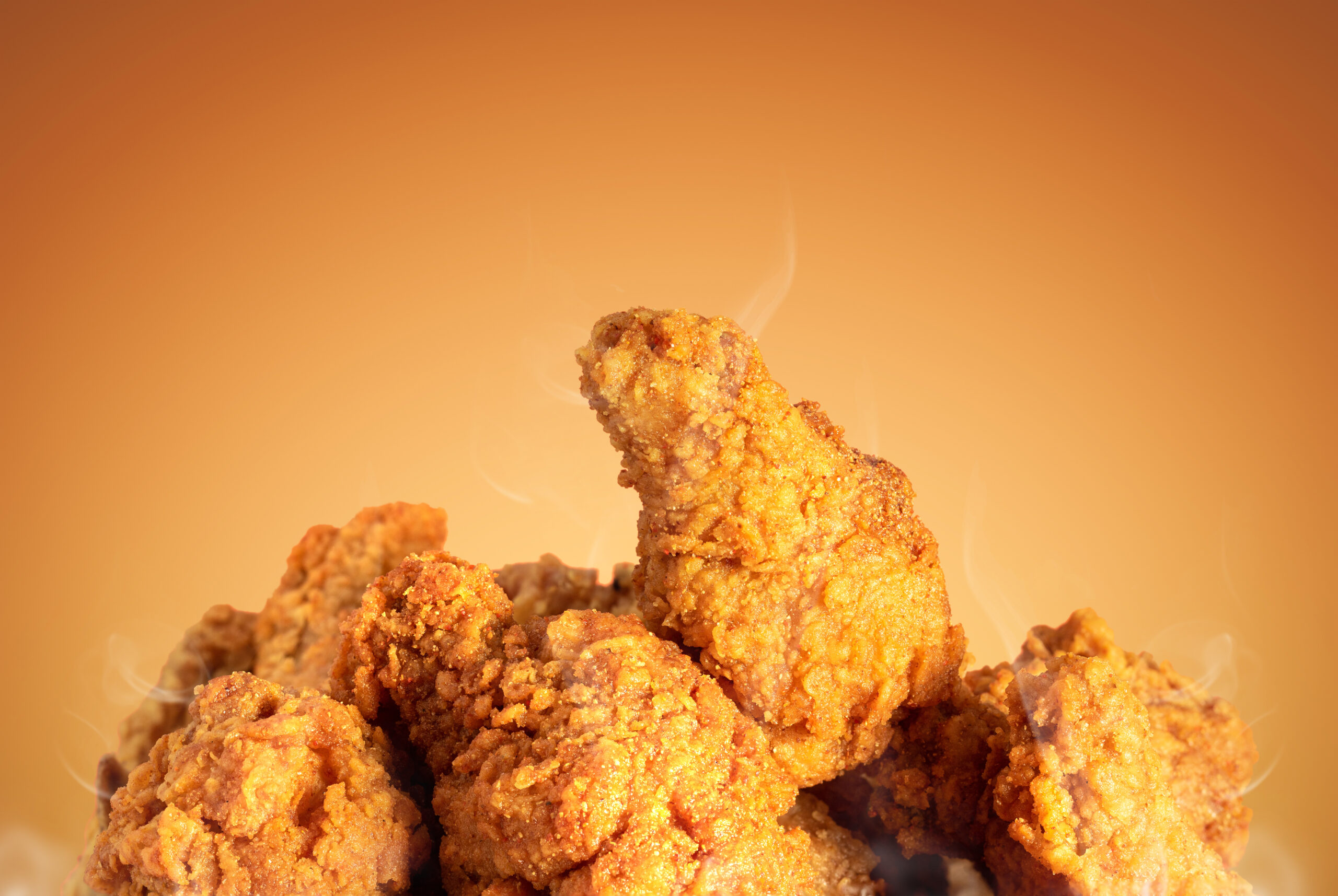
What is the best fried chicken? It’s a question that echoes through kitchens worldwide. This humble dish doesn’t mask itself in pretense. It doesn’t hide behind fancy plating or apologize for the greasy fingers it leaves behind. When you crack through that perfectly seasoned crust, the sound resonates like a dinner bell, and suddenly you understand why this simple act of frying chicken has become a cornerstone of comfort food across continents.
Listen to our fried chicken episode: here
From bustling street carts in Bangkok to soul food joints in Atlanta, from family gatherings to late-night cravings, fried chicken transcends boundaries. Young chefs often ask what is the best way to make fried chicken, searching for that perfect recipe that travels across cultures, becoming a shared language of flavor that needs no translation.
But beneath that golden exterior lies a craft that demands respect. Talk to any chef who’s weathered the storm of a Saturday night service, who’s danced with scalding oil and timing, and they’ll tell you the truth: mastering fried chicken isn’t just cooking – it’s an art of survival.
Why Chefs Can’t Quit Fried Chicken
Every kitchen warrior carries a fried chicken tale. For some, it’s the dish that taught them humility; for others, it marked their first triumph. Some obsess over brine times, others debate what is the best breading for fried chicken, and many bear the battle scars of hot oil encounters. To a chef, fried chicken isn’t just nostalgia – it’s a testament to dedication.
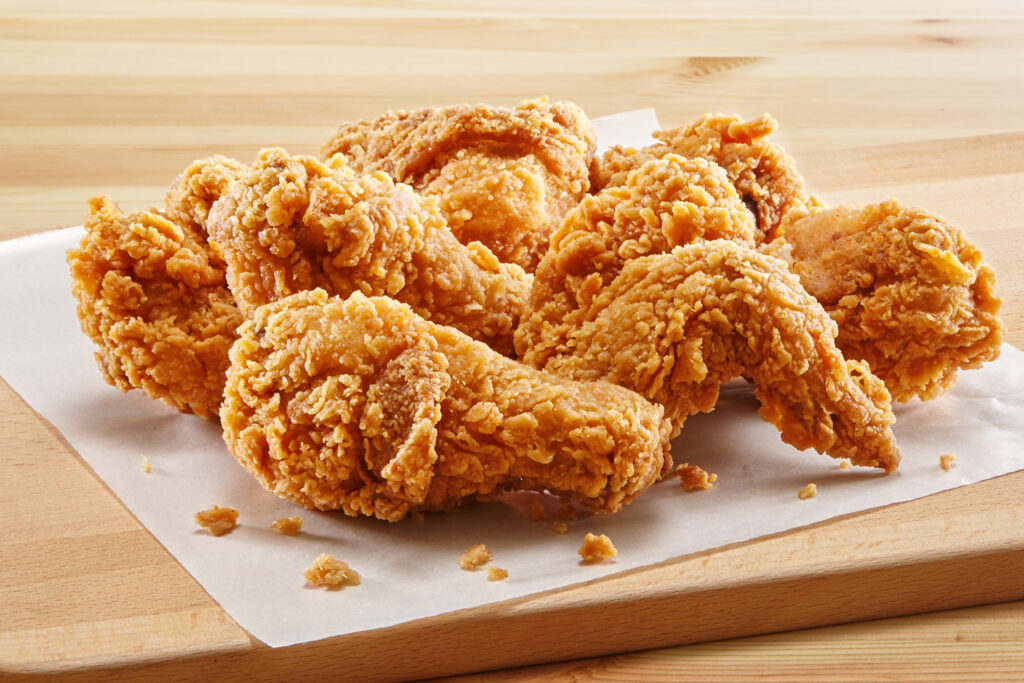
Marcus, a rising star in the culinary world, confesses to dreaming about fried chicken almost daily. He doesn’t indulge that often, but the pursuit of perfection haunts him like an unfinished symphony. “It’s fascinating,” he reflects, “how something so universal can feel so personally challenging.” That’s the magic of fried chicken – it becomes part of your culinary identity, merging technique with instinct.
In Seoul, Jin grew up with Mama’s Chicken – a local institution that defined childhood memories for generations. An American classic that found a new identity in Korean spices and techniques. Fried chicken, born in humble kitchens, has evolved into a global phenomenon that belongs to every culture while remaining true to none.
That’s its beautiful democracy. Whether you’re a starred chef or an aspiring cook with basic equipment, the challenge remains the same.
The Anatomy of a Perfect Fry: From Brine to Crunch
Creating exceptional fried chicken starts well before the oil heats up. The magic isn’t just in the coating – it’s in the methodical preparation that precedes it. You respect the process. You embrace the science. You allow time for the ingredients to work their quiet alchemy, transforming simple chicken into something transcendent.
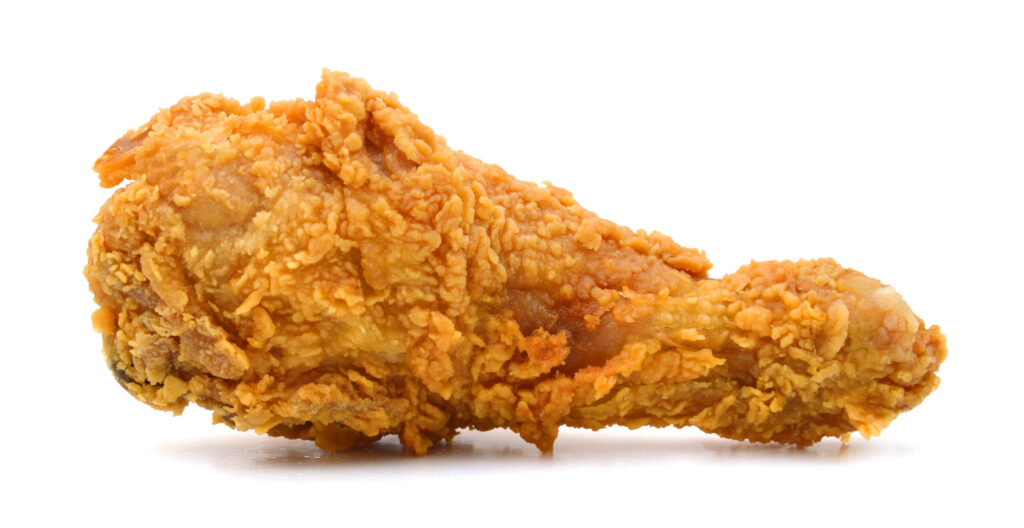
1. The Brine — Where Faith Begins
What is the best way to make fried chicken? It starts with the brine. Salt works like memory, penetrating deep into the meat fibers, teaching them to retain moisture. Southern kitchens swear by buttermilk’s tangy embrace, while Asian traditions rely on soy sauce’s umami depth. Some innovative chefs incorporate MSG or koji, transforming kitchen science into culinary devotion.
Phil’s technique marries these worlds masterfully: buttermilk’s dairy richness, vinegar’s bright acidity, and the aromatic duo of rosemary and garlic. As he often says, “Acid and salt wake up chicken’s natural flavors.” He’s right – a well-crafted brine doesn’t overwhelm; it revives.
2. The Coating — The Architecture of Crunch
What is the best breading for fried chicken? It’s not mere decoration, but armor. Construction requires precision: flour provides structure, starch delivers glass-like crispiness, and intentional clumping creates texture. Professional chefs avoid uniformity, instead pursuing controlled chaos – creating ridges that capture oil and amplify crunch. That distinctive sound when someone takes a bite? That’s success.
Western traditions champion wheat flour, while Asian kitchens prefer potato or cornstarch. The sweet spot? A 50-50 blend. Some chefs incorporate marinade into the flour, creating a sticky mixture that, when coating the chicken, develops into wild, flaky patterns that crisp into edible architecture.
3. The Oil — The Holy Fire
Oil demands respect and precision. Too cool, and your chicken becomes a grease sponge. Too hot, and you’ll burn the exterior while the interior remains raw. What is the best fried chicken? One cooked at that perfect temperature – 175°C for the technically minded, or that sweet spot where intuition meets expertise for the seasoned cook.
Japanese chefs read the bubbles like tea leaves. Southern cooks listen for the oil’s song – the sizzle, the whisper, the meaningful pause between sounds. Every chef develops their own oil-reading language. Every cooking vessel tells its unique tale.
4. The Rest — Let the Bird Speak
Patience is paramount. Let your fried chicken rest. This crucial period allows the crust to achieve maximum crispiness, the juices to redistribute, and the aroma to reach its peak. Master chefs understand that restraint is the hardest skill to master in any kitchen.
The reality? Perfect fried chicken reflects your dedication, precision, and willingness to pursue excellence despite the risks.
The Fried Chicken Doctrine: Lessons from Chefs, Culture, and the Road
Every culture has developed its frying techniques. It’s cooking at its most democratic – just heat, fat, and courage. But fried chicken occupies a special place in this universe, rotating between tradition and innovation. Each culture’s approach to chicken reveals its culinary soul.
In Japan, karaage is a meditation — each piece meticulously crafted for textural perfection. In Berlin’s Korean fusion kitchens, it’s a bold experiment — where sweet meets spicy in controlled chaos. In Louisiana, it’s heritage — a Southern testament to the sacred marriage of salt and oil, passed down through time. Each interpretation answers the question of what is the best fried chicken in its own unique voice: this is our truth, unfiltered and authentic.
Because fried chicken transcends fine dining pretense. It doesn’t need artistic plating or Instagram filters. It demands to be eaten with bare hands, shared in casual communion, honest in its simplicity. That’s why young chefs are drawn to it — it strips away pretense. There’s nowhere to hide between the bird and the oil.
The Unwritten Rules of the Fryer
Every chef bears battle marks — tiny testimonies of lessons learned. Oil burns tell stories of growth. Ask any kitchen veteran what is the best way to make fried chicken, and these commandments emerge:
- Always marinate. Whether it’s buttermilk, soy, or brine — this step is non-negotiable.
- Master your coating. What is the best breading for fried chicken? It’s about balance: flour for structure, starch for that signature crackle. Combined, they create edible art.
- The bone debate. Traditionalists insist bones enhance flavor. Modern chefs champion boneless thighs for their versatility. Wings remain the universal crowd-pleaser — compact, craveable, divine.
- Trust your instincts. Fried chicken isn’t about complex techniques. It’s about mastering controlled chaos. Drop, listen, trust, and sometimes hope.
When Simplicity Becomes Luxury
While gastronomy chases trends, fried chicken stands timeless. It’s the same ancient formula — fat, flour, salt, patience. Yet skilled chefs make it feel revolutionary. From New York’s Whitney Museum where humble fried chicken outshone curated art, to Venezuela where Arturo’s transformed Canadian chicken into national comfort food, to Vienna’s cherished schnitzel sandwiches.
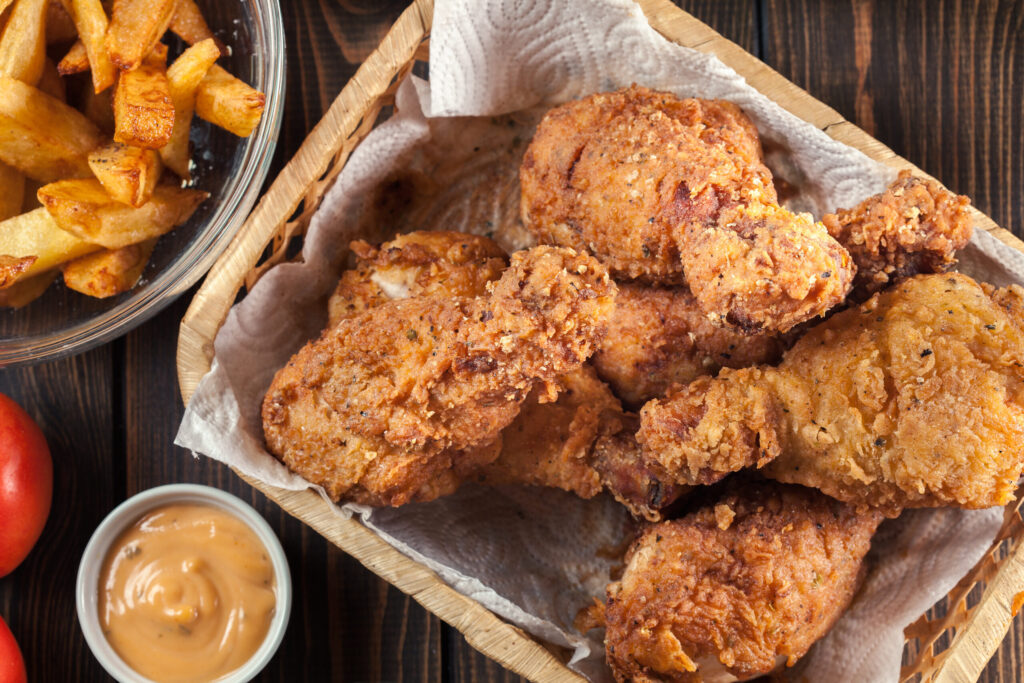
This proves luxury isn’t about cost. It’s about mastery, memory, and dedication to perfection. Fried chicken teaches us that excellence comes from refinement, not reinvention.
The Kitchen as Classroom
Watch a chef fry chicken and witness their culinary philosophy — technique, restraint, courage. Every oil bubble tells a story.
This makes fried chicken more than just food. It’s sensory education. It teaches timing, embraces failure, rewards patience. It celebrates attention and humbles the proud. It’s culinary wisdom wrapped in comfort food’s embrace.
Food literacy transcends mere technique — it’s about understanding the science behind what is the best fried chicken. It’s knowing why buttermilk tenderizes, why heat transforms, and why simplicity often delivers the most profound flavors.
Final Bite: Honesty, Grease, and Grace
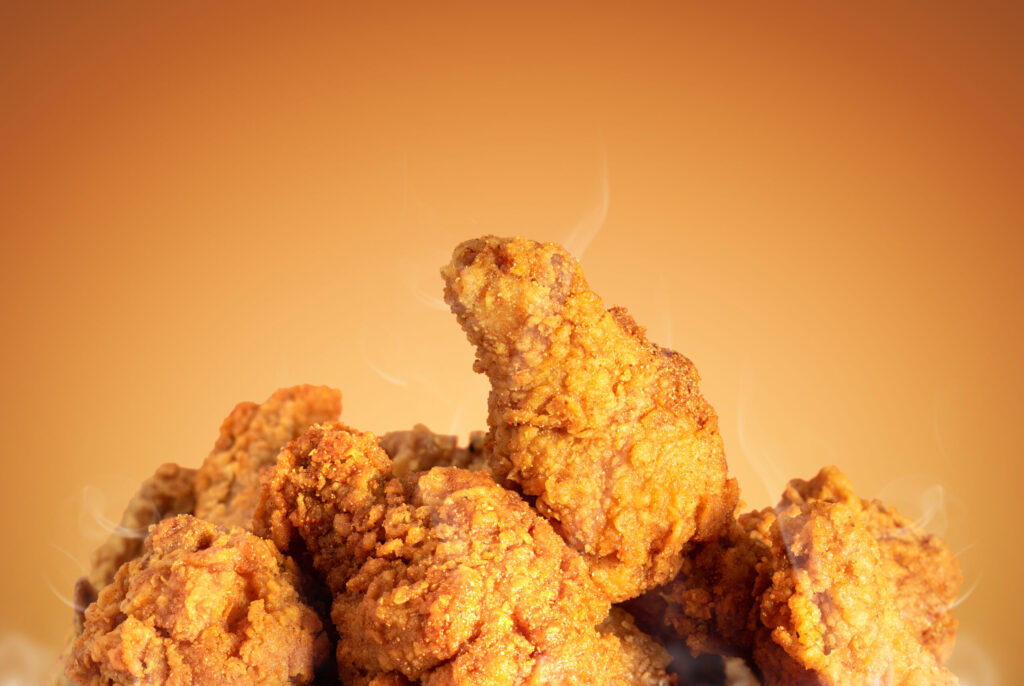
When exploring what is the best way to make fried chicken, you’ll find it’s a great equalizer — treating novice cooks and seasoned chefs with the same unbiased judgment. It demands respect, rewards bravery, and humbles the overconfident.
What it offers in return is authenticity: the satisfying crackle of perfectly executed breading, the lingering aroma of seasoning on your fingertips, the deep satisfaction of mastering what is the best breading for fried chicken through trial and error.
That’s its true essence — where technique meets tradition, where culture infuses flavor. Every time a chef lowers battered chicken into hot oil, they join an ancient legacy. A brotherhood of cooks, families, street vendors, and innovators who discovered one truth: mastery lies in simplicity — for those patient enough to learn.
Pot Luck Food Talks is a global podcast exploring the crossroads of food, culture, and creativity — hosted by chefs, storytellers, and curious eaters from around the world.
🎧 Listen to our latest episodes — click here
🍷 Join a food tour in San Sebastián with Erich Eichstetter — click here
💼 For collaborations, consulting, or advertising inquiries — get in touch here