





Fire: Humanity’s First Kitchen
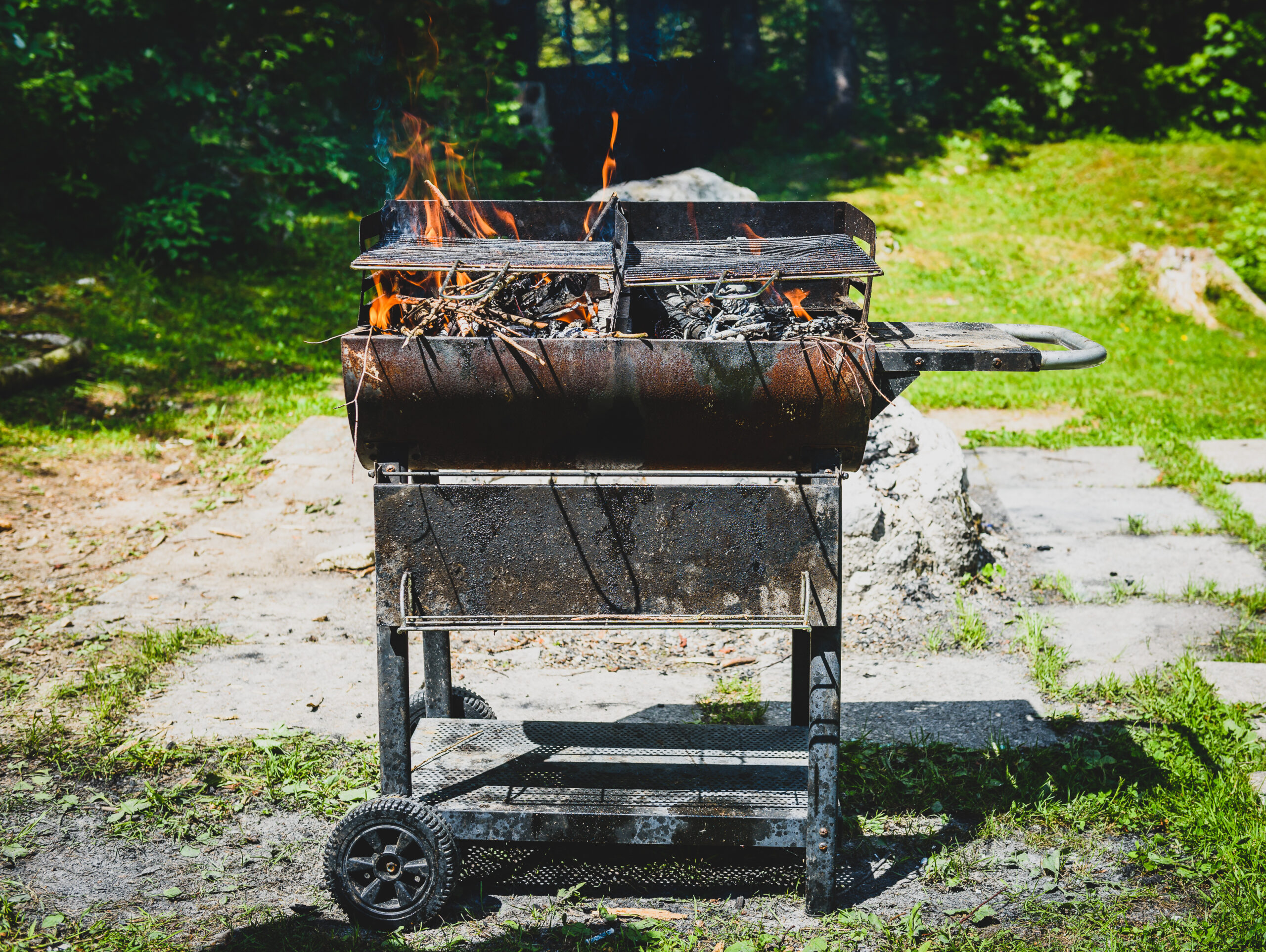
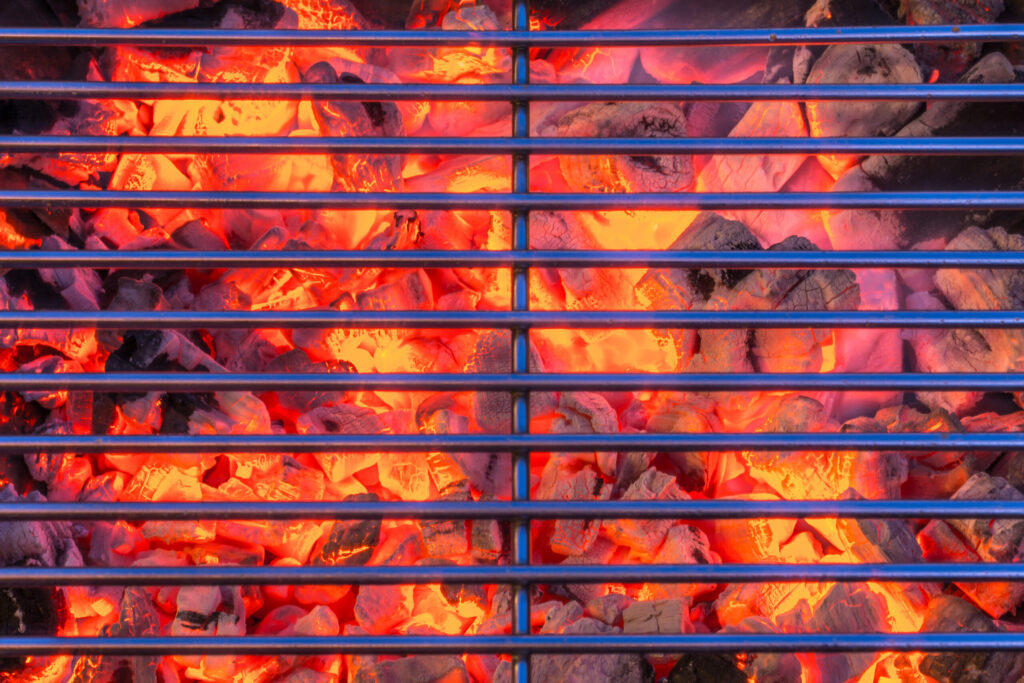
Before people wrote down recipes or even had written words, they had fire. Grilling isn’t something people came up with—it’s as natural as breathing. The sound of sizzling fat and the sight of smoky flames? That’s a link back to our beginnings. Cooking over fire is the oldest and truest way to prepare food.
In the backrooms of restaurants, chefs gather near burning coals almost like monks at a sacred ritual. Fire doesn’t care about pride or ego. It strips everything down to basics. It teaches you to wait. You don’t work against fire. You steer it.
Smoke isn’t just a byproduct—it’s the taste itself. When used , it adds aroma and depth. When it’s not, it can ruin everything. Each curl of smoke comes down to a decision. Each char mark leaves a personal touch.
Barbecue as a Tradition
Gathering Around the Fire
Barbecue goes beyond simple cooking. It’s about coming together. Across the world, people gather near flames sharing stories, debating, and waiting for food. The air fills with the scents of meat, salt, and expectation. Plates are exchanged. Drinks are shared. It’s casual food, but it carries weight and connection.
In Venezuela, the parrillada fills the table with pork chops, chicken, picanha, sausages, and black pudding. Boiled yuca sits on the side shining in vinaigrette. Guasacaca, a tangy green sauce of garlic and avocado slices through the rich flavors.
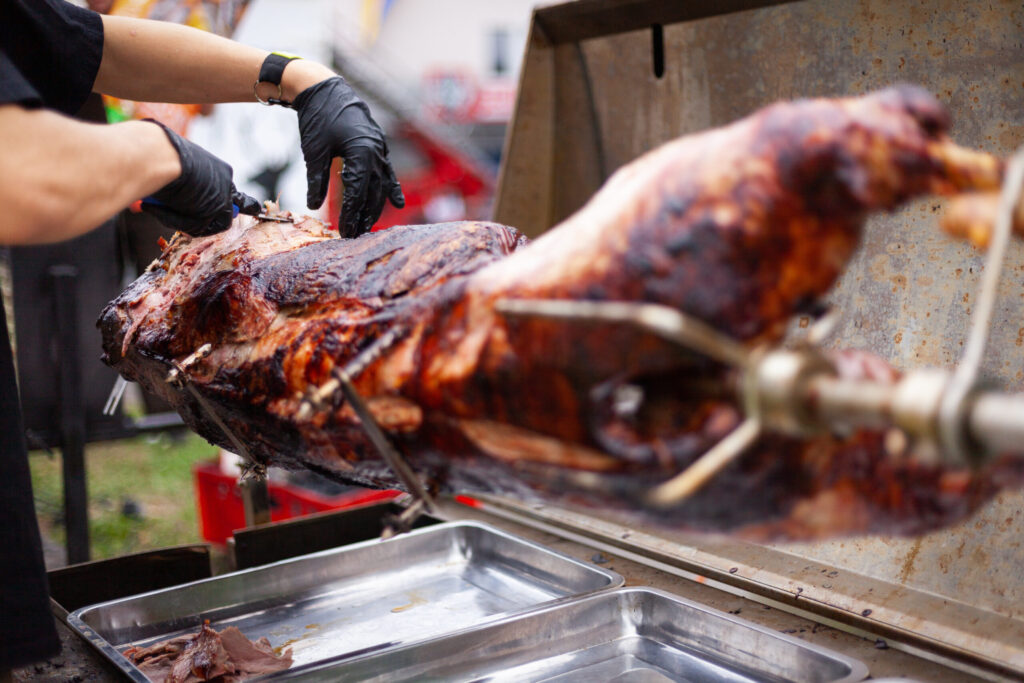
In the American South, the pit serves as a sacred place. Cooks roast whole hogs over hickory coals for hours. Brisket falls apart with the lightest touch. Smoke moves slow and blue—it never turns white. Pitmasters like Aaron Franklin monitor the fire like careful surgeons piece by piece and hour by hour.
Korean barbecue makes sharing food feel like a group tradition. Meat cooks on a grill in the center of the table. Small dishes fill the space—kimchi, pickles, and fresh greens. Everyone crafts each bite balancing spicy, salty, and tangy flavors with every choice.
The Grill Master’s Code
The person managing the grill holds an unspoken sense of responsibility. They guide the fire with careful attention relying on both their instincts and experience. It’s not about control over others; it’s about dedication to the process.
Chef’s Take: Learning from the Flames
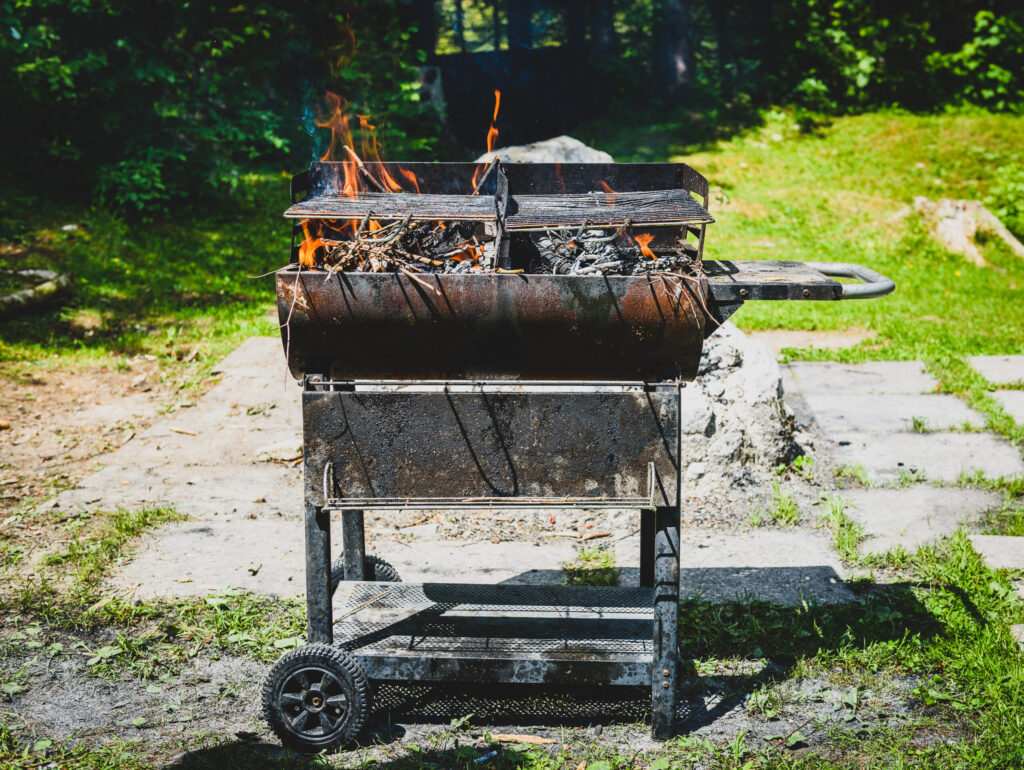
Grilling feels like a back-and-forth between the chef and fire. It needs focus and steady adjustments, never force. Each ember brings challenges, like wind or fat dripping and distance to the heat.
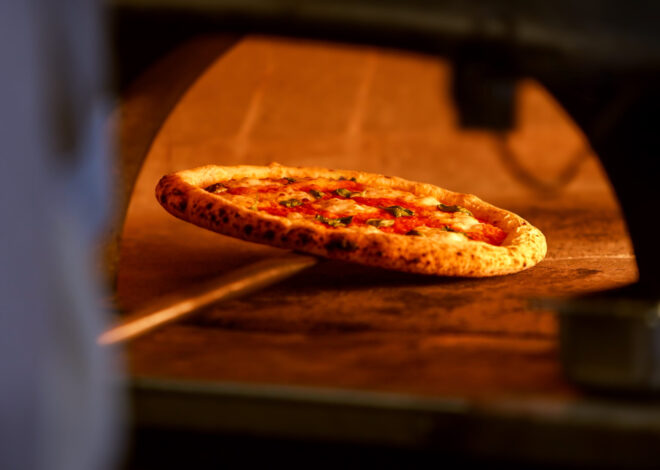
Skilled chefs rely on all stages of heat. They sear with flames, roast over coals, and let fading embers complete the process. Leftover heat offers chances—vegetables char, roots turn sweeter, and sauces grow richer.
In restaurant kitchens, grilling depends on precision. Chefs don’t use timers or thermometers. Instead, they trust their eyes, ears, and the smells of food changing.
H2: Cooking Methods: Controlling the Fire
The Seasoned Chicken
A whole chicken flattened and stripped of bones, sits soaking in a mix of garlic, lemon black pepper, and sour cream. The cream makes the meat softer while the lemon adds tang. On the grill, the skin crisps, fat drips onto the coals, and smoke wraps the meat. The inside stays juicy picking up the flavors of heat and salt.
Yakitori: A Ritual in Focus
In Japan, people treat fire like an art in itself. They slice and skewer chicken wings laying them flat and brushing them with tare—a blend of soy, sake, mirin, ginger, and chicken bone broth. The sauce gets reheated, cooled, and reused making it a pot of memories. Yakitori goes beyond grilling; it follows precise tradition.
Char Siu: The Sweet Flame
Cantonese barbecue feels like a show packed with flavor. Pork gets marinated using red vinegar, sugar, and five-spice creating that deep ruby shade over the fire. The outside turns into a glossy crust, while the inside remains tender. The taste balances smoky and sweet .
Tips to Cook with Fire
- Set up heat zones—use flames to sear and embers to cook.
- Be gentle with smoke; avoid thick white smoke because it ruins flavor.
- Let meat rest before cutting to lock in those juices—it’s key to keeping flavor intact.
- Treat vegetables with care—they show how well you can handle fire better than meat does.
More Than Meat: Vegetables with Smoke
Fire changes plants into something expressive. Whole onions char into a rich broth that feels soulful and full of flavor. Eggplants break down into soft smoky goodness, with their bitter bite melting into sweetness.
Roasting celeriac over embers makes it almost like custard inside—a caramelized core hidden beneath a burnt shell. Smoke adds texture like a painter’s tool; char works like adding emphasis.
This comes from instinct and understanding food—a skill where you tune into nature, trust your senses, and hear what the ingredients tell you.
Sweet Smoke: Fire in Dessert
The flame isn’t just for meat. On a rotisserie, pineapple twirls, letting molasses and citrus drip down until a golden crust forms on its surface. At Spain’s Etxebarri, chefs smoke milk, freeze it into ice cream, and pair it with beets and cherries—a dessert carrying the essence of wood.
Here, smoke feels like an art. It whispers instead of yelling.
Things Learned From Fire
Grilling is timeless shared across cultures, and demands precision. It isn’t about showing off—it’s about letting go. The flame doesn’t give in to you. You either adjust or end up with ashes.
Fire gives chefs a lesson in humility. Diners, on the other hand, learn to wait. Each flawless char hides the story of countless missteps.
The best places to eat aren’t measured by fancy stars. They’re defined by the glow of coals. A street food seller in Seoul, a barbecue master in Texas, or a home cook in Caracas all share something universal. They work with smoke, salt, and time.
Even with high-tech gadgets and sous-vide machines everywhere, fire stands as the real test. Fire shows everything. Instinct beats any timer. No tool can measure heart and soul.
Great grilling means feeling the moment—when to pause when to act, and when to trust. In that rhythm lies an ancient truth: sometimes the simplest tools bring out the richest flavors.
Pot Luck Food Talks is a global podcast exploring the crossroads of food, culture, and creativity — hosted by chefs, storytellers, and curious eaters from around the world.
🎧 Listen to our latest episodes — click here
🍷 Join a food tour in San Sebastián with Erich Eichstetter — click here
💼 For collaborations, consulting, or advertising inquiries — get in touch here